
Real World Citadel Communities
Why is the formula always: Tropical + Expats

Have you followed along with the various Bitcoin communities over the last decade?
Have you noticed a pattern?
For years, Bitcoiners have talked about “Citadels.”
Not as a meme.
As a plan.
But very few people have taken the step from Twitter thread to territory. Fewer still have survived contact with reality.
Arguably the three most popular or famous examples are: Bitcoin Beach, Bitcoin Jungle, and MS Satoshi. Though arguments could be made for Bitcoin Park, The Plan B Network in Lugano, and Bitcoin Commons.
For now, lets focus on the first three.
Bitcoin Beach – El Zonte, El Salvador
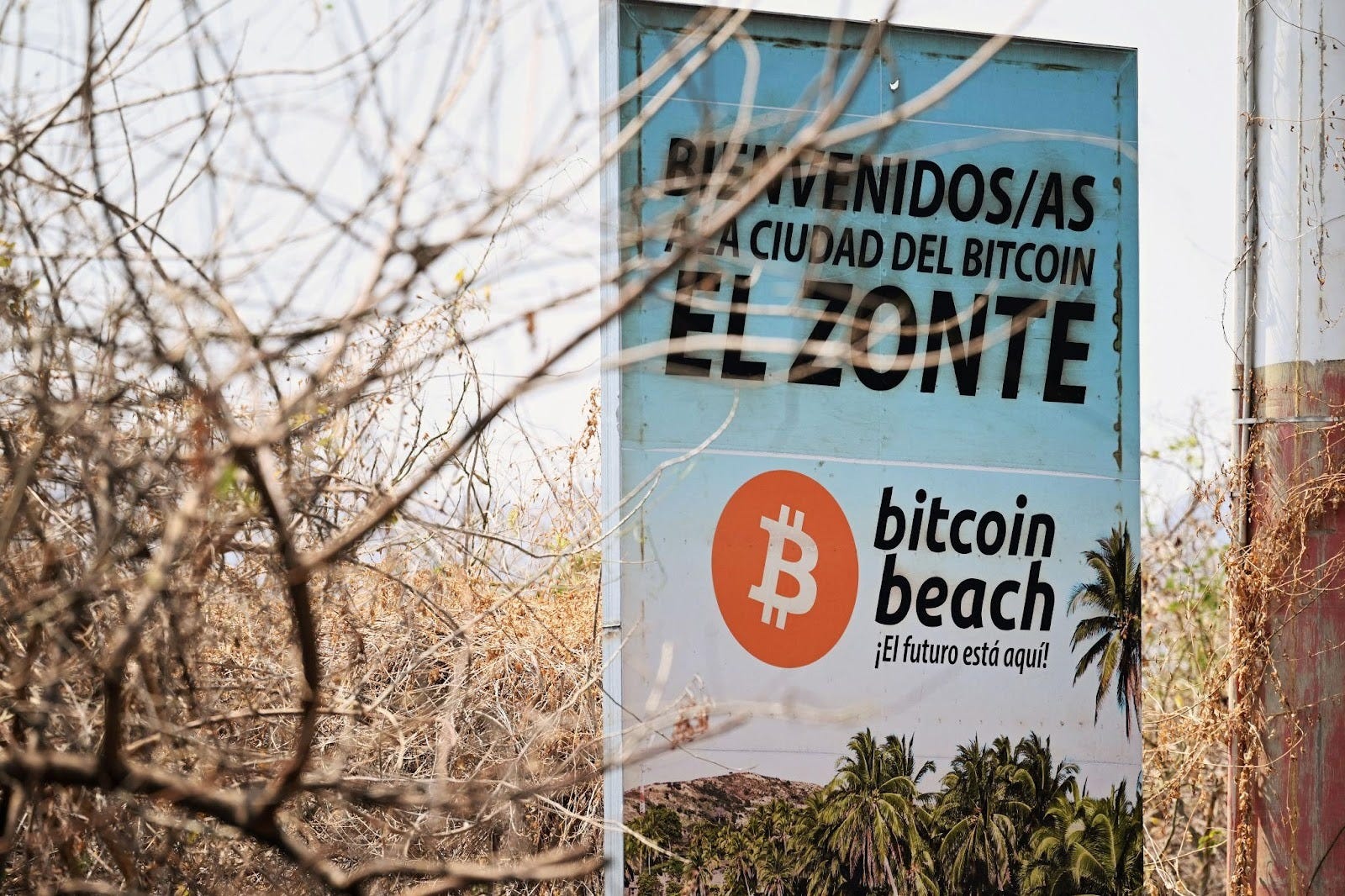
Started: 2019
Status: Active
Scale: Entire town; thousands impacted
What It Is
A circular Bitcoin economy launched in a small surf town.
Seed funded by an anonymous donor. Organized by local leaders and foreign volunteers. Youth were paid in BTC. Merchants onboarded to Lightning. Stipends flowed through wallets instead of banks.
Structure
Nonprofit driven.
Donor capital.
No shared land ownership.
This is a monetary citadel, not a territorial one.
Outcome
It worked well enough to influence El Salvador’s 2021 Bitcoin legal tender law.
Strength
Grassroots legitimacy. Real merchant density.
Risk
Now entangled with national politics and state policy.
Bitcoin Jungle – Uvita, Costa Rica
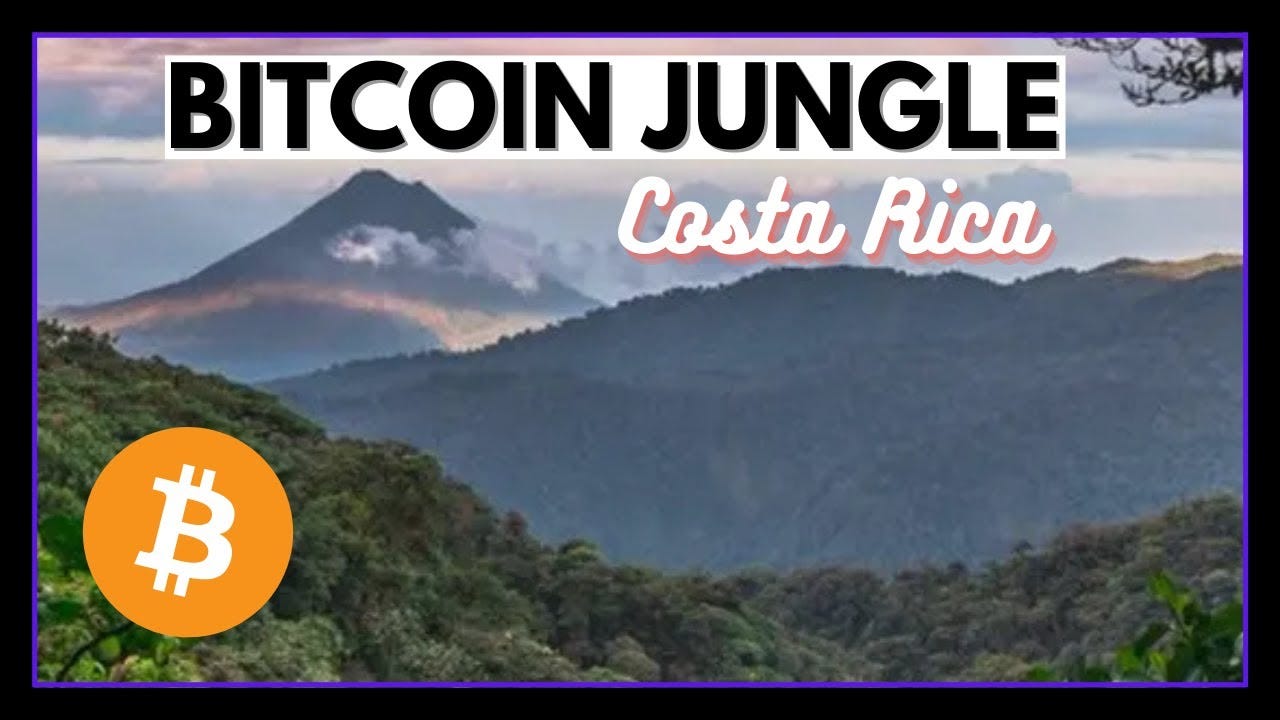
Started: 2021
Status: Active
Scale: 100+ merchants
What It Is
A Lightning-first merchant network in a tourism town.
Volunteer organized. Inspired directly by Bitcoin Beach.
Structure
Overlay network.
Private property town.
No shared governance or land model.
Strength
Works in high-tourism zones with expat energy.
Risk
Heavily dependent on tourism cycles and foreign residents.
MS Satoshi – Offshore Panama

Started: 2020
Status: Failed
What It Was
A cruise ship sold as floating crypto residences.
Cabins marketed as sovereign living units outside state jurisdiction.
Structure
For-profit venture.
Private cabin ownership.
Failure
Insurance barriers.
Maritime regulation.
COVID timing.
Anchoring restrictions.
The ship was sold for scrap.
Lesson
You cannot wish away jurisdiction.
What These Experiments Have In Common
Most fall into one of three categories:
1. Monetary Citadels
Overlay Bitcoin onto an existing town.
Low friction. High survivability.
2. Jurisdictional Citadels
Attempt regulatory autonomy.
High upside. High political risk.
3. Sovereignty Escape Attempts
Avoid jurisdiction entirely.
Extremely high failure rate.
But there is a deeper pattern.
Nearly all of them are:
• Tropical
• Tourism heavy
• Expat driven
• Recent
• Non generational
The Tropical Problem
Tropical beach towns are seductive.
Low cost of entry.
Friendly governments seeking capital.
Built-in tourism.
Photogenic marketing.
But long-term durability depends on things beaches rarely provide:
Deep roots.
Multi-generational land continuity.
Cold-climate resilience culture.
Intergenerational family density.
Expat communities often lack:
• Extended family networks
• Deep agricultural knowledge
• Local political leverage
• Generational identity tied to place
When capital leaves, the energy leaves.
When regulations shift, the foreigners leave.
When tourism collapses, merchant density collapses.
A monetary overlay cannot compensate for shallow roots.
The Expat Fragility
Expat-heavy communities tend to have:
Short average residency duration
High ideological alignment but low blood ties
Capital concentration but low kinship density
Kinship density is civilizational glue.
Without it, communities remain optional.
Optional communities dissolve under stress.
Strong communities are not optional. They are inherited.
Climate Risk Is Not Hypothetical
Long-term climate exposure in tropical zones includes:
Rising heat stress
Hurricane intensity
Water volatility
Agricultural instability
Insurance retreat
A Bitcoin economy does not stop a storm surge.
Cold climates carry their own risks, but they historically foster:
Food storage culture
Energy redundancy planning
Land continuity
Lower insect and disease pressure
Harder, slower population turnover
Harsh climates create durable cultures.
Easy climates attract mobile capital.
What Has Not Been Tried (At Scale)
Very few serious attempts exist in:
Cold-climate rural North America
Multi-family land co-ops with Bitcoin treasury reserves
Intergenerational charters
Agriculture + Bitcoin reserve strategy
Five-to-twelve family compacts
Most “citadel” projects focus on payments.
Very few focus on inheritance.
Most focus on merchant onboarding.
Very few focus on land stewardship.
The Core Question
Are we building:
Bitcoin tourism hubs
Regulatory arbitrage zones
Or generational strongholds
The difference is time horizon.
A citadel that cannot survive thirty years is not a citadel.
It is a phase.
The first wave of experiments has taught us something important:
Bitcoin can change money quickly.
Changing land and lineage takes longer.
If the goal is sovereignty measured in decades, not conference cycles, then the next generation of experiments will need:
Land ownership clarity
Governance discipline
Intergenerational planning
Cold-eyed risk modeling
Cultural continuity
Otherwise we are building beach clubs with Lightning wallets.